
Mold Remediation
Containment, removal, and prevention — from hidden growth to whole-house remediation.
A slow leak under the slab while you are up north for the summer, or a water heater that lets go the week the grandkids visit — water damage in The Villages rarely announces itself politely. Paul Davis runs water damage restoration in The Villages around the clock, arriving with extraction and drying equipment on the first truck so the cleanup starts the moment we pull up.
Call (352) 320-4090 Available 24/7 · rapid emergency response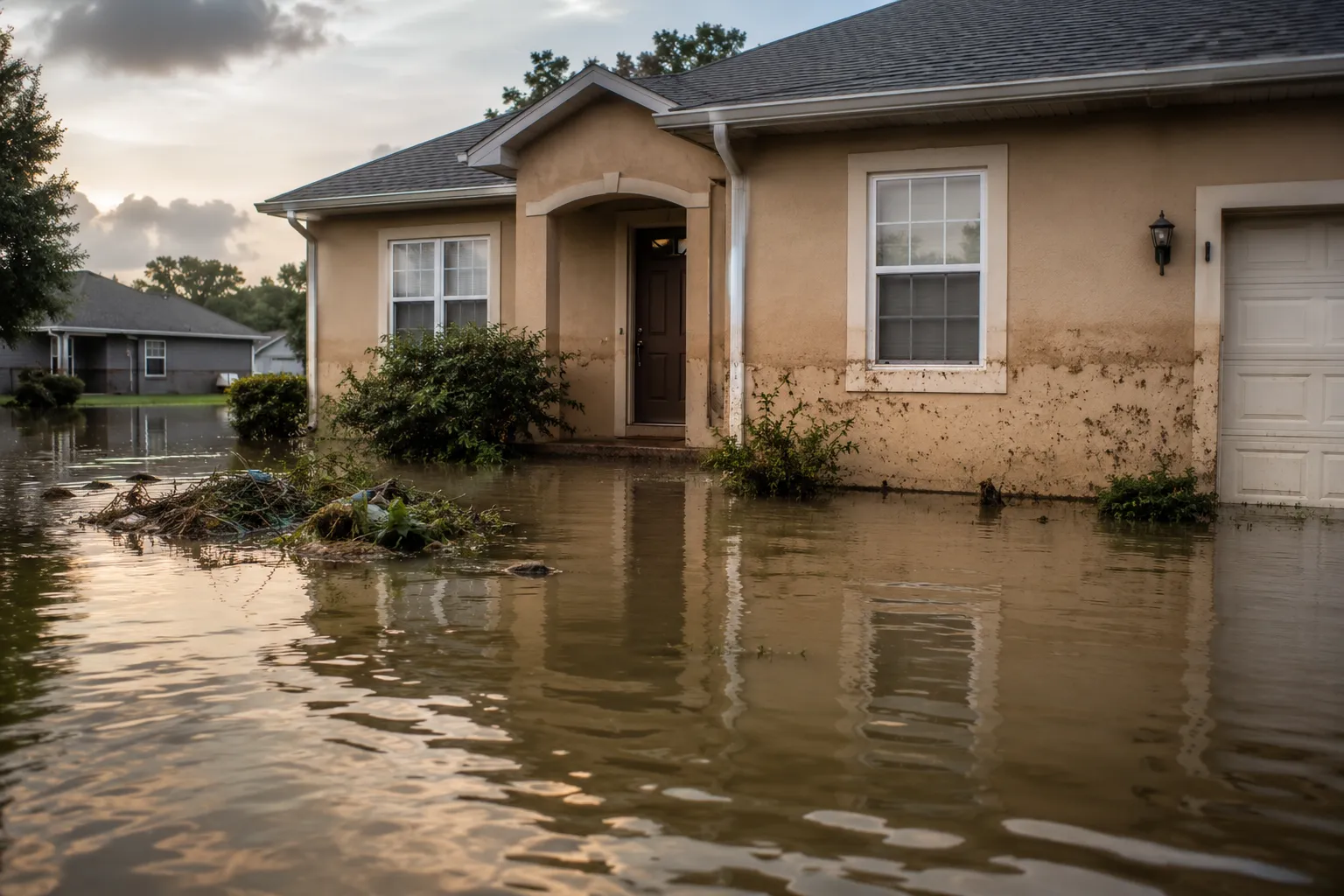
Also serving Lady Lake, Leesburg, Wildwood, Ocala, and All Sumter County Locations.
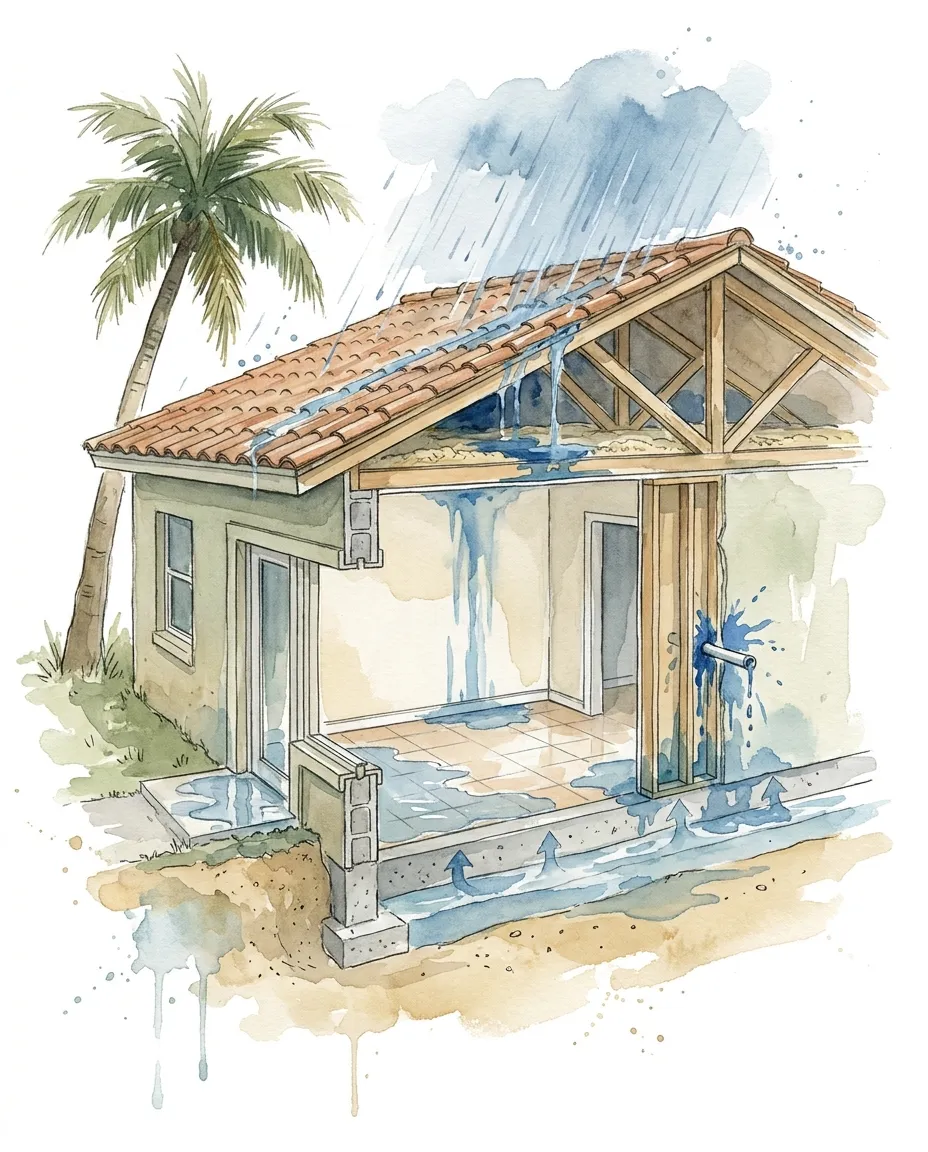
Because most of The Villages went up after 2000 — block-and-stucco designer homes, courtyard villas, and manufactured homes on slab — the water problems here look different than they do in older Florida towns. It is rarely a corroded cast-iron drain. It is a slab leak that wicks across tile for days, a failed water heater in the garage, a dishwasher hose that gives out, or an HVAC condensate line that backs up and quietly soaks the drywall behind an air handler closet. In the tightly spaced villas around the town squares, one home's leak can find its way into the next.
Add the seasonal rhythm of a 55-plus community and the timing gets worse: snowbird homes sit empty for months, so a small drip becomes a saturated subfloor before anyone opens the door. When the tropics deliver — the rain Irma pushed across Marion, Sumter and Lake Counties in 2017, or the bands off Ian in 2022 — the low retention basins and executive-golf-course edges around Spanish Springs and Lake Sumter Landing take on water fast. At Sumter County humidity, materials that sit wet start growing mold within a day, so getting a certified crew on site quickly is what keeps a small loss from becoming a gut-and-rebuild.
When water is spreading through a Villages home, you want a crew that understands post-2000 slab construction, the way attached villas share risk, and how to document a loss for the carriers that actually write policies here. Good water damage restoration in The Villages is as much about reading the local building stock as it is about the drying gear — and that local read is the difference between a clean dry-out and weeks of back-and-forth with your adjuster.
Excellent experience. Our insurance company recommended them. They arrived quickly and everyone was very professional. Communication was something that they excelled in — I always felt that they were on top of everything.
Every restoration job starts with understanding the local conditions that made it worse. These are the factors our crews see repeatedly across The Villages properties.
Newer homes here run on embedded slab plumbing and manifold systems, so a slab leak surfaces as a warm spot or buckled floor rooms away from the actual break. We use thermal imaging and moisture mapping to find it under the slab before it reaches the framing — surface drying alone misses it.
When homes share walls and sit feet apart, a single appliance failure or supply-line break can migrate into a neighbor's unit. We contain and dry the full affected envelope, not just the room where the water showed up.
Snowbird homes sit closed for the summer storm season, so a weeping toilet supply or a failed water heater can run undetected for weeks. By the time it is found, water has wicked into baseboards, cabinetry, and subfloor — detection and full structural drying matter as much as extraction.
The sandy soil and shallow water table under Sumter County mean groundwater sits close to the slab, so water that gets underneath has nowhere to drain and moves sideways through the foundation. We read the actual moisture content of materials rather than guessing where the water went.
Storms like Irma and the remnants of Ian don't need a direct hit to flood The Villages — their rain overwhelms retention basins and the low edges along the executive golf courses. We handle the Category 3 floodwater those events bring, including containment and antimicrobial treatment of slab floors and lower walls.
Certified restoration technicians on every job, direct insurance billing, and daily updates from first assessment through final walkthrough.
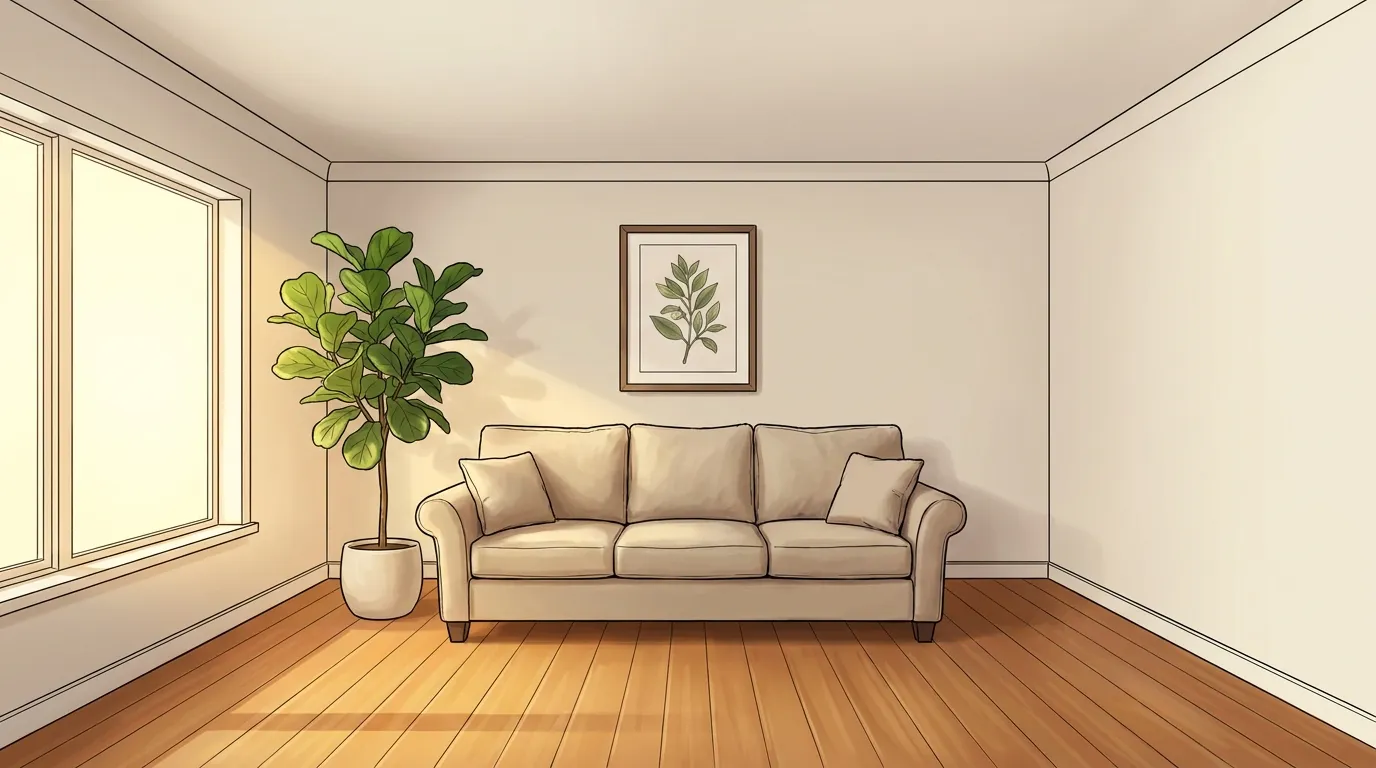
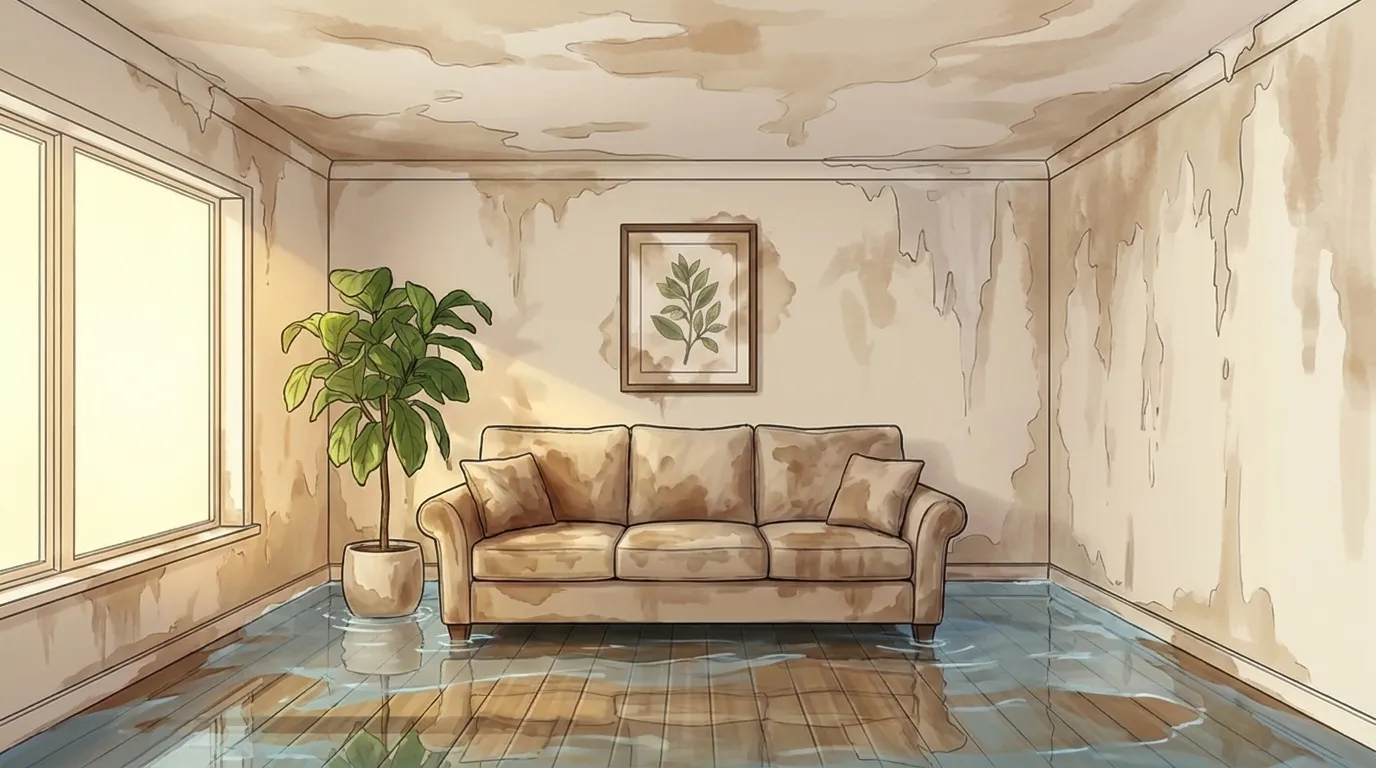
Call any hour. We dispatch a certified technician to your Villages home rapidly, 24/7, with extraction and drying equipment already on the truck — no separate assessment visit, no waiting on a callback.
Thermal imaging and calibrated moisture meters map every wet zone — wall cavities, subfloor, and the slab itself, which matters here where slab leaks and groundwater hide moisture that looks dry on the surface.
Truck-mount and portable extractors pull standing water from tile, luxury vinyl, carpet, and subfloor assemblies. The faster the water is out, the smaller the restoration scope.
LGR dehumidifiers and high-velocity air movers create a controlled drying environment sized to the loss. Daily moisture readings track progress and build the documented record your adjuster needs.
Once materials hit dry standard, we restore the affected areas to pre-loss condition. Final readings confirm clearance and close out the drying log — so the wall going back up is provably dry.
In Depth — The Villages
Water from a supply line, fixture, or appliance — the lowest contamination risk, but it has to be extracted and dried within hours before it escalates at our humidity.
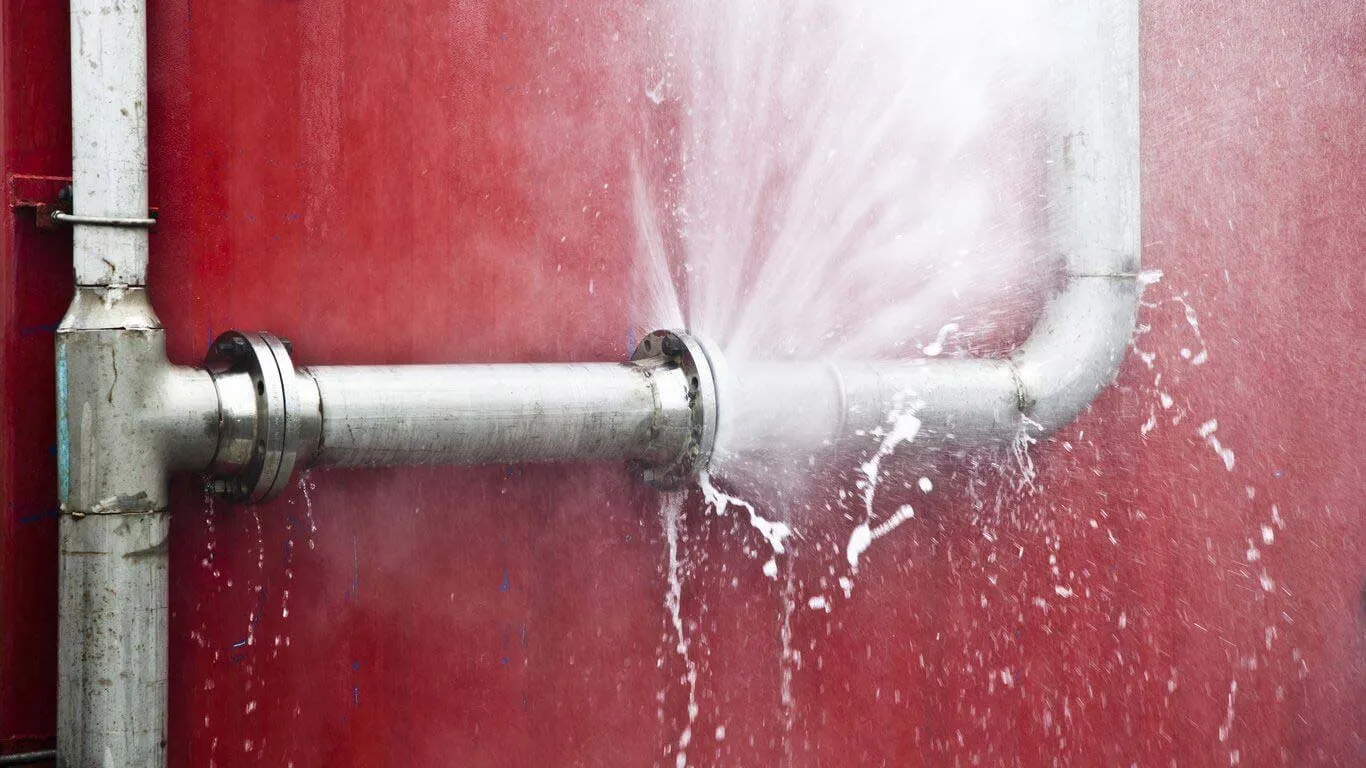
In The Villages this is the everyday loss: a failed water heater in the garage, an ice-maker or dishwasher hose, an HVAC condensate line backing up into a closet. Caught early these dry clean, which is exactly why fast dispatch matters in a community where homes sit empty seasonally.
Water from washing machines, dishwashers, or toilet overflow without solids. It carries microorganisms and needs antimicrobial treatment, not just extraction.
A clean-water leak that has sat unnoticed in a closed-up snowbird home for a week is realistically Category 2 by the time we arrive. We treat it accordingly so nothing is sealed wet behind new drywall.
Sewage, storm floodwater, or groundwater intrusion — the highest contamination risk, requiring full containment, antimicrobial treatment, and removal of porous materials it has touched.
Storm flooding off the retention basins and golf-course lakes, and the occasional sewage backups in the older edges near Lady Lake and Wildwood, both bring Category 3 water into Villages homes. With the shallow local water table, groundwater intrusion through a slab counts too.
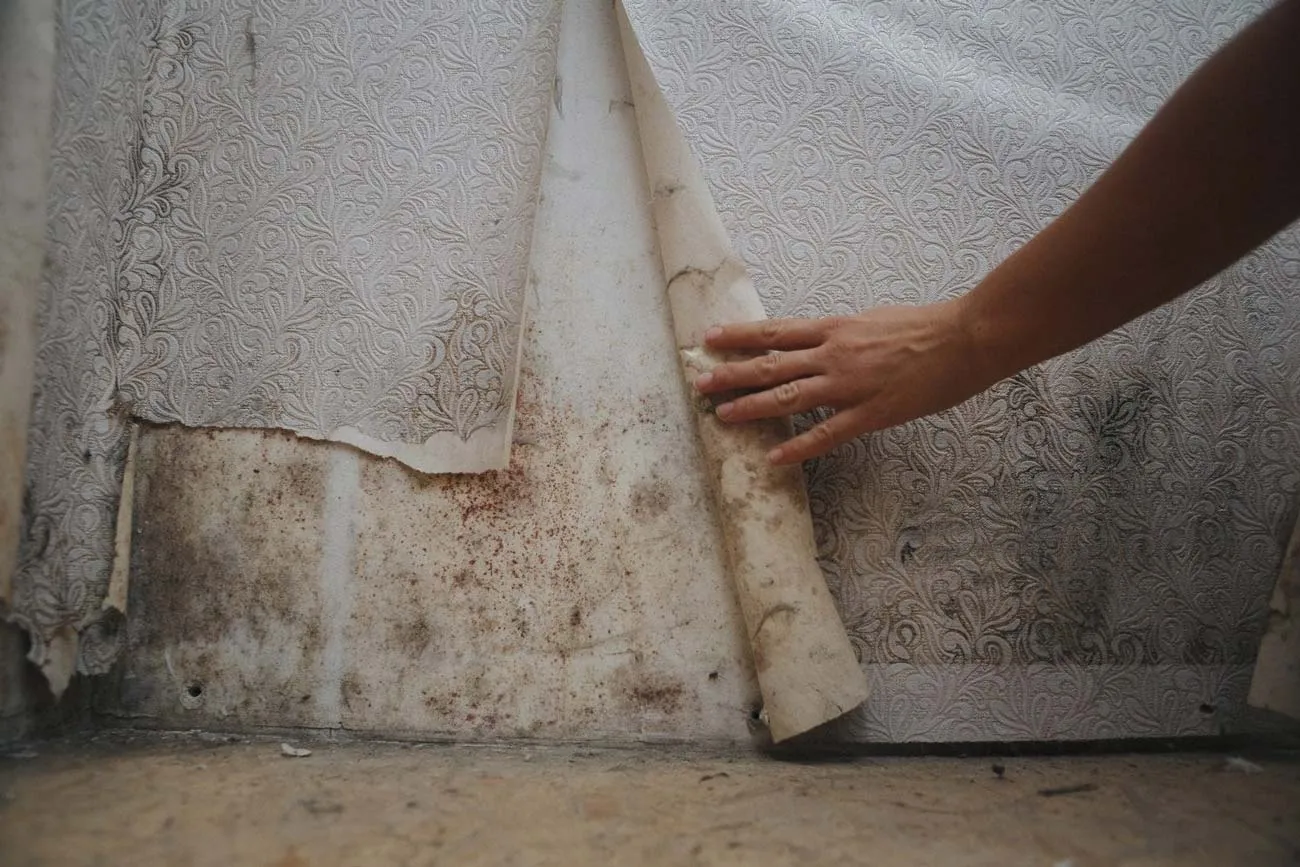
Water left in a Villages home turns into a health problem quickly, and in a 55-plus community the stakes are higher. Mold can begin colonizing damp drywall and baseboards within the first 24 hours at our humidity — faster than in drier climates — and for residents managing asthma, COPD, or a compromised immune system, that indoor air quality matters a great deal. The seasonal vacancy pattern compounds it: a leak that runs for weeks in a closed-up home gives mold a long head start in a sealed, un-conditioned space. Category 2 and Category 3 events raise the risk further, carrying bacteria and, in the case of sewage backups and storm flooding, pathogens that don't simply dry out. Porous materials those waters have touched come out, the cavity is sanitized, and the space is dried to standard before anything is closed back up.
Paul Davis is a certified restoration company, and the crews handling water damage restoration in The Villages work to IICRC S500 standards — the same standard your insurer's adjuster measures the job against. Our technicians are trained in water mitigation and structural drying, and every job carries general liability and workers' compensation coverage for the protection of Sumter County property owners. The practical payoff: the drying is done to a documented standard, not by eye, and the paperwork lines up with what the carrier expects.
What to tell us when you call
Type of damage — general location in the home — whether the source is still active — whether the building is safe to enter. We handle everything else.
The Villages is as much a commercial hub as a residential one — the retail and restaurant spaces around Spanish Springs, Lake Sumter Landing, and Brownwood, the medical offices and clinics that serve the community, and the recreation buildings and clubhouses dotted across the districts. A water loss in any of them carries business-interruption pressure, commercial flooring and ceiling systems, and HVAC infrastructure that a residential scope doesn't account for. We move faster on extraction to limit downtime, coordinate directly with property managers and commercial adjusters, and stage drying so the parts of an operation that can stay open, stay open.
Paul Davis keeps commercial response protocols ready for business owners and property managers across The Villages.
The Villages is newer than most of Florida — the median home was built around 2005 — and that changes the water story. You see fewer of the corroded-pipe failures that plague century-old housing and more of the slab-era problems: a slab leak in the manifold plumbing, an AC condensate line that overflows into a closet, a water heater or appliance hose that fails after a decade of service. Underfoot, the sandy soil sits over sinkhole-prone limestone with a shallow water table, so water that gets beneath a slab migrates sideways through the foundation instead of draining — which is how a leak in one room shows up as a soft floor in another. And the community is built around water by design: executive golf courses, retention basins, and man-made lakes thread between the villages, so heavy wet-season rain has plenty of low ground to collect on. Knowing a restoration contractor before you need one is simply prudent here.
Most of The Villages sits in the lower-risk flood zones, but the low edges along the golf-course lakes and retention basins fall into FEMA's AE high-risk areas — and a parked tropical system doesn't care about the map. Irma in 2017 and the rain bands off Ian in 2022 both put water into Florida homes without scoring a direct hit, and a standard homeowner's policy won't cover that rising water; it takes an NFIP or private flood policy. The seasonal rhythm makes it worse: thousands of homes sit closed through the summer storm season while their owners are up north, so a roof leak or a failed supply line can run for weeks before anyone notices. If your home goes empty seasonally, a smart-leak detector and a neighbor with a key are worth more than any single repair — and a crew that can respond to Category 3 floodwater is the backstop.
Florida's insurance market has been hard on Villages homeowners — premiums are among the highest in the country, several private carriers pulled out of the state between 2022 and 2024, and a lot of Sumter County policies now sit with Citizens or a short list of remaining insurers. In that environment, documentation isn't a formality; it is the difference between a claim that moves and one that stalls. Every Paul Davis job builds the evidentiary record an adjuster needs — timestamped moisture readings, equipment logs, photos, and a line-item estimate — to support a sudden-and-accidental claim. We can't change what your policy covers, but we can make sure the loss is documented well enough that nothing is denied for lack of proof.
The water damage that costs the most in The Villages is the kind nobody sees for weeks — and in a community of seasonal residents and slab homes, that is a real category. A pinhole in a slab supply line, a drip behind a vanity, a condensate line weeping into a wall cavity while the house sits closed: by the time the floor cups or the smell arrives, moisture has spread into cabinetry, subfloor, and wall assemblies. This is where moisture mapping earns its keep. Rather than guessing, we read the actual moisture content of materials and follow it back to the source, so the drying covers everywhere the water actually went — not just the visible stain. And we don't sign off by eye; final clearance is a number, confirmed and logged.
We dispatch on the call itself — you won't wait for a return call or an assessment appointment before the work starts. We reach the town-square districts and surrounding villages quickly and adjust routing to hold response times out to Lady Lake, Wildwood, Oxford, and Fruitland Park. When water is spreading, the first hour shapes the size of the entire job, so the truck rolls with extraction and drying equipment already aboard.
Florida Emergency Hotline — 24 hours a day
Request a Free Estimate →Containment, removal, and prevention — from hidden growth to whole-house remediation.
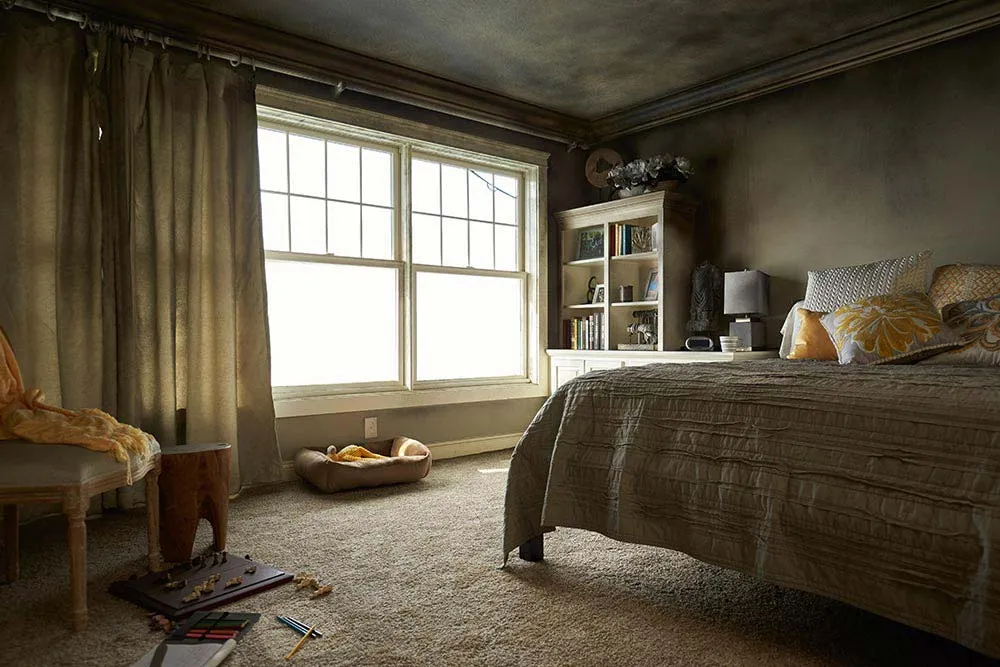
Soot removal, odor neutralization, structure cleaning, and contents pack-out.
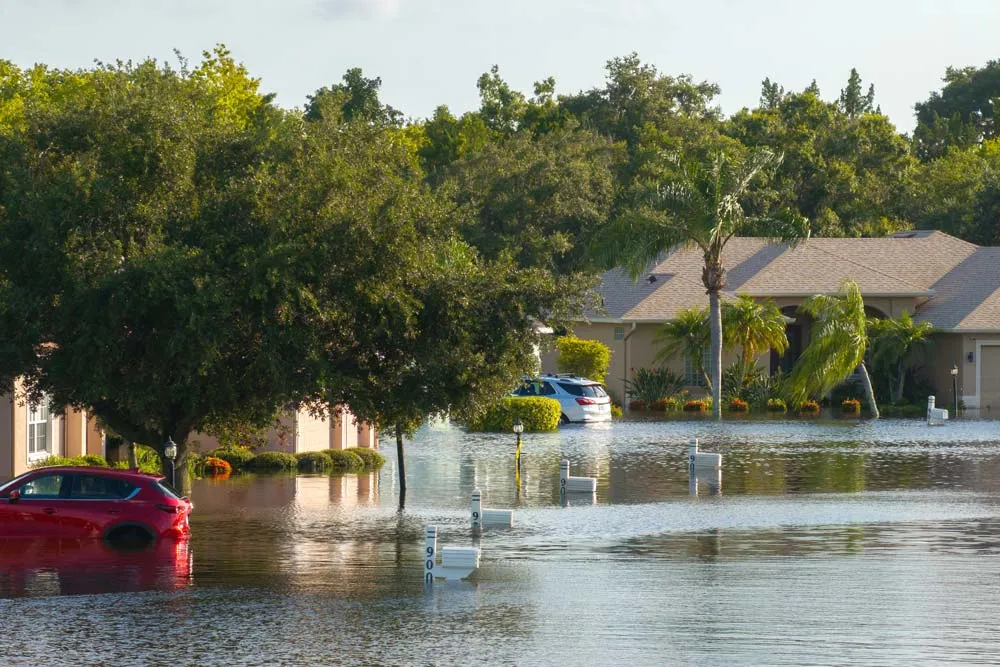
Hurricane, tornado, hail — emergency tarping, board-up, and full structural restoration.
From framing to finish — drywall, flooring, cabinetry, paint. One contractor, start to finish.
After major damage in The Villages, you may need to reach a local department — the building office for permits and structural inspections, the health department for mold or contamination questions, or fire-rescue for a fire-damage assessment. Here are the offices serving The Villages. Paul Davis is always one call away and can help you navigate the process.
Building Department
Sumter County Building Services
7375 Powell Rd, Wildwood, FL 34785
(352) 689-4400Health Department
Florida Dept of Health — Sumter County
415 E Noble Ave, Bushnell, FL 33513
(352) 569-3102Fire Department
Sumter County Fire & EMS (non-emergency)
7375 Powell Rd, Wildwood, FL 34785
(352) 689-4400Contact information is accurate to the best of our knowledge at time of publication. Paul Davis Restoration is not responsible for changes to agency contact information, hours, or services. For the most current information please contact the agency directly.
We dispatch right after you call and reach the town-square districts and surrounding villages in minutes under normal conditions, with adjusted routing for Lady Lake, Wildwood, Oxford, and Fruitland Park. The crew arrives with extraction and drying equipment already on the truck — there is no separate assessment visit before work begins.
Closed-up seasonal homes are where the worst losses happen, because a small leak runs undetected for weeks in a sealed space, giving mold a long head start. The most common culprits in The Villages are water heaters, appliance hoses, toilet supply lines, and AC condensate lines. A smart-leak shutoff and a neighbor who checks in help a great deal; if you do come home to damage, call us before touching anything so we can document it for your claim.
Most of The Villages was built after 2000 on slab-on-grade foundations with plumbing embedded in or under the concrete. When a slab line fails, the water has nowhere to go but sideways through the foundation, so it can surface as a warm spot or buckled floor a room or two away from the break. We locate it with thermal imaging and moisture meters and dry the slab and surrounding assemblies to standard.
Most Florida homeowner policies cover sudden, accidental water damage — a burst line, an appliance failure, a roof intrusion. Rising water from storm flooding generally is not covered by a standard policy and needs separate NFIP or private flood coverage. Gradual damage from a leak left unaddressed is usually excluded, which is another reason fast detection matters. We document the loss thoroughly so a covered claim has the proof it needs.
Extraction removes the standing water. Structural drying removes the moisture that framing, drywall, insulation, and subfloor have absorbed — which remains even after the surface looks dry. Both steps are required; skipping the drying is how mold and rot get sealed inside a wall.
Most residential water losses dry in three to five days with proper equipment placement. Concrete slabs — common across The Villages — cabinets, and structural wood can extend that. We take daily moisture readings so you and your adjuster can watch the progress and know the clearance is based on a number, not a guess.
Structural repairs — replacing framing, subfloor sheathing, or significant wall assemblies — typically require a permit through Sumter County (or Lake or Marion County, depending on which part of The Villages you are in). Paul Davis coordinates those permit requirements as part of the restoration scope so the rebuild is done to code.
Call now and we dispatch rapidly — day or night, weekends and holidays. The sooner extraction starts, the smaller the restoration scope. Every hour matters.